




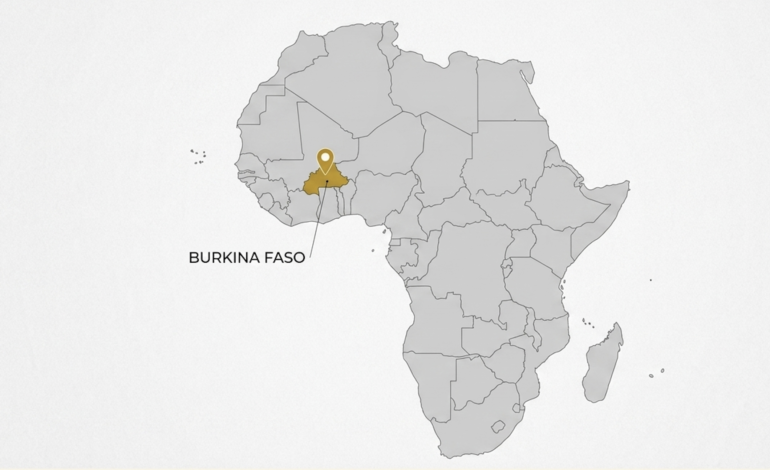

The United Nations (UN) Human Rights Office of the High commissioner is set to close its Burkina Faso Office.
The UN Human Rights Office confirmed that it will permanently end its presence in Burkina Faso by November 30, 2026 following the country’s military authorities indefinite suspension of its local mandate in February.
The suspension was issued after the UN High Commissioner Volker Türk published a press release demanding the ruling military authorities to stop their clampdown on civic space and drop plans to outlaw political parties.
The agency was forced to close down the country office on which Türk said he deeply regretted that months of engagement had failed to resolve the impasse.
In Ouagadougou, UN’s resident coordinator held meeting with Foreign Minister Karamoko Jean Marie Traoré, who accused international organizations of acting like global police and overstepping host-country agreements.
He insisted that Burkina Faso remained open to partnerships built on mutual respect.
However, Human Rights Watch has called the decision to close the office a severe blow to independent oversight, which leads to widespread violations to remain unmonitored and not documented.
The group’s reported on April that there are documented war crimes, crimes against humanity, and the government’s ethnic cleansing that targeted Fulani community.
Since the 2022 coup, authorities have suspended media outlets, unions, and hundreds of civil society groups, dismantled multiparty politics, and subjected critics to arbitrary detention, disappearances, and torture.
The office had been operating since 2021, training nearly 4,000 security and defense personnel in human rights and humanitarian law.
The Sahel neighbors of Mali and Niger whose leadership are military juntas have taken similar steps distancing themselves from international legal scrutiny, including moves regarding the International Criminal Court.
Rights advocatesfear this move in the region could deepen impunity for security forces just as insurgent violence and civilian displacement continue to escalate, leaving affected populations with fewer avenues for monitoring and protection.
Related Stories


Related Stories


Discover more from Matter Zone
Subscribe to get the latest posts sent to your email.