




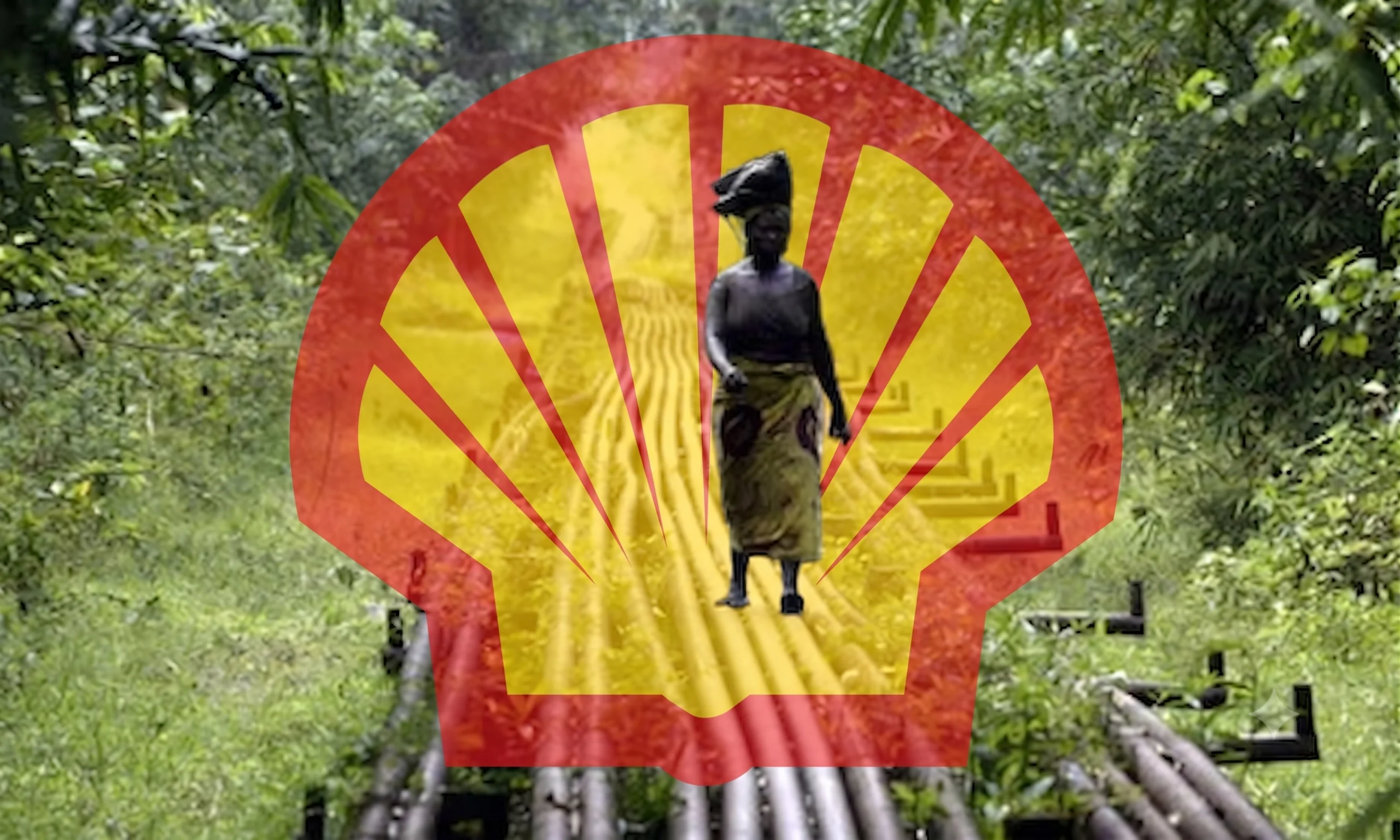

The global fossil fuel company, Shell, have faced criticism over ageing oil infrastructures linked to the company’s former Niger Delta operations that causes environmental damage.
Internal documents of the company that fall in the hands of Amnesty International disclosed legal proceedings in the United Kingdom that have lifted the lid on the company’s negligent and polluting operations in the Niger Delta.
The findings published in a report “Nigeria: Lifting the Lid Internal Documents Expose Shell’s Negligent Oil Operations,” implicate the London headquartered company of irresponsible business causing oil pollution that has damaged water, farmland, fisheries, health and livelihoods.
The rights advocacy group report released on Wednesday stated that the findings include internal Shell emails, technical audits, presentations and confidential corporate reviews, which were disclosed in the proceedings.
The report claimed that Shell was aware of significant infrastructure and environmental risks while continuing to operate affected facilities, raising questions over the company’s handling of its legacy liabilities in the African country.
The documents challenge Shell’s long-standing emphasis on oil theft and sabotage as the main causes of pollution in the Niger Delta, according to the rights group.
The report indicated that Shell continued flowing oil despite knowing the “risks from ageing and leaking infrastructure, including an old pipeline internally described as ‘a basket’ [case].”
The rights group’s Director in Nigeria Isa Sanusi said “the scandal was not simply illegal ‘bunkering’ or oil theft. The real scandal is Shell’s pursuit of profit at the expense of people’s rights.”
The internal documents reportedly have showen concerns about pipeline integrity, safety standards, maintenance and the company’s ability to detect and properly assess oil spills.
Documents reportedly showed that illegal taps were allowed to remain on some pipelines because removing them would require “considerable system downtime” and temporarily suspend crude oil flows.
Shell , however, rejected Amnesty’s claim of findings on its operations, insisting that it remained committed to honesty, integrity and respect for people and that the report did not reflect the “challenging operating environment in the Niger Delta at the time”.
Internal records also indicated that Shell’s Nigerian subsidiary, Shell Petroleum Development Company (SPDC), was exempted from elements of global health and safety standards to allow oil to continue flowing through tampered pipelines.ated that Shell’s Nigerian subsidiary, Shell Petroleum Development Company (SPDC), was exempted from elements of global health and safety standards to allow oil to continue flowing through tampered pipelines.
Related Stories


Related Stories


Discover more from Matter Zone
Subscribe to get the latest posts sent to your email.