




Kenya, U.S. reach preliminary deal to untap $62.4bln rare earth deposits
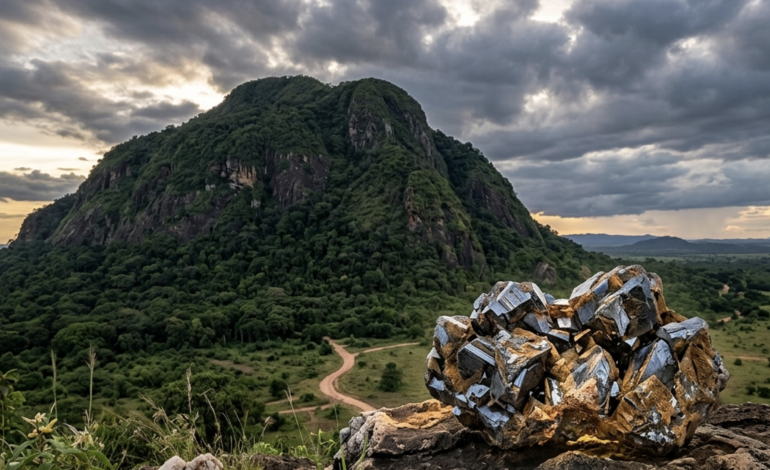

Kenya and the United States have reached a preliminary agreement to untap one of Africa’s largest rare earth and niobium deposits, valued at about $62.4 billion.
Kenya’s President William Ruto announced the deal on the sidelines of the G7 summit held in France ended on June 17, 2026.
The deal said to be marking a strategic win for Washington in its intensifying competition with China over critical minerals in Africa, representing far more than a bilateral trade arrangement but a calculated move in a long-running geopolitical contest over who controls the mineral foundations of the clean energy economy.
Ushering a major shift from the traditional export of raw materials with all strategic minerals be processed domestically the agreement centres on the Mrima Hill deposit in Kwale County, southern tip of the country.
Experts see China takes central role in rare earth exploitation that help to ignite electric vehicle (EV) that require neodymium and dysprosium, wind turbines that depend on praseodymium, missile guidance systems and radar arrays that consume terbium and europium, and the solar panels batteries that need lithium, graphite, nickel, and cobalt.
The latest deal is considered U.S.’s major win over China and Russia in the race to control the minerals that power the technologies defining the next century.
Ruto told Reuters that the landmark agreement covering rare earths and other strategic minerals was already in advanced discussions and could be concluded soon.
“We have agreed that the minerals will be processed in Kenya,” he said adding that the arrangement reflects a shared push for local value addition rather than raw exports.
Reports indicate that Washington is also pursuing similar critical minerals partnerships in the Democratic Republic of Congo (DRC) targeting cobalt and copper, which are using battery production globally.
The Kenya-U.S. agreement reflects a broader shift by African governments demanding local processing and greater value retention by realigning in how the continent’s mineral wealth is negotiated in an increasingly competitive global order.
Related Stories


Related Stories


Discover more from Matter Zone
Subscribe to get the latest posts sent to your email.