




Kenya, Rwanda boost fight against antimicrobial resistance
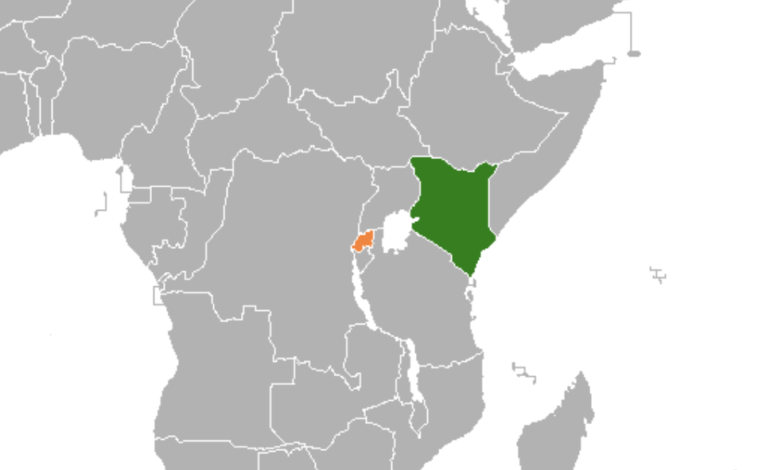

Kenya and Rwanda have strengthen their fight against antimicrobial resistance (AMR) by improving their surveillance systems.
They strengthened their ability to track where drug-resistant infections are emerging, and how they are spreading, according to World Health Organization (WHO).
The UN health agency acknowledges both countries for their capacity in generating more detailed information to guide treatment decisions, strengthen public health action and help protect the effectiveness of life-saving medicines.
The move comes as AMR is making infections harder to treat, increasing the risk of disease spread, severe illness and death, while placing growing pressure on health systems worldwide.
In order to understand where resistance is occurring, how it is evolving and what actions are needed to respond the need to have effective surveillance becomes essential.
WHO hails the progress in the transition to individual-level reporting through the WHO Global Antimicrobial Resistance and Use Surveillance System (GLASS), that allows countries to collect and analyse more detailed information on resistance trends, helping health authorities make better-informed decisions on treatment, prevention and antimicrobial stewardship.
Antimicrobial resistance is a growing threat to health systems across Africa and around the world, says WHO, recognizing the progress made by Kenya and Rwanda.
“This shows that countries can successfully strengthen their data systems and generate evidence that informs policy, improves patient care and supports antimicrobial stewardship,” said Dr Ali Ahmed Yahaya, Antimicrobial Resistance Team Lead at the WHO Regional Office for Africa.
Kenya made sustained investment and good planning which build stronger public health intelligence over time, while Rwanda demonstrated collaboration in building stronger surveillance systems.
Between 2021 and 2025 Kenya has collected more than 100,000 AMR surveillance records, with 9039 records submitted to GLASS in 2025.
Rwanda which joined GLASS in 2022 has submitted its first AMR data in 2023, and since then it has worked closely with hospitals, national institutions and technical partners to strengthen data collection and reporting.
WHO also recognized the challenges faced in transition to individual-level data reporting.
Kenya identified gaps related to laboratory information system interoperability, missing patient variables, workforce capacity for data validation and initial concerns around data privacy.
Rwanda faced challenges related to manual data collection in some facilities, limited human resources for data management and a lack of interoperability among hospital information systems.
The experiences of the two East African Community countries demonstrate how better data can help countries stay ahead of one of the most significant public health threats of our time.
Related Stories


Related Stories


Discover more from Matter Zone
Subscribe to get the latest posts sent to your email.