




Ethiopia calls for stronger BRICS-Africa engagement
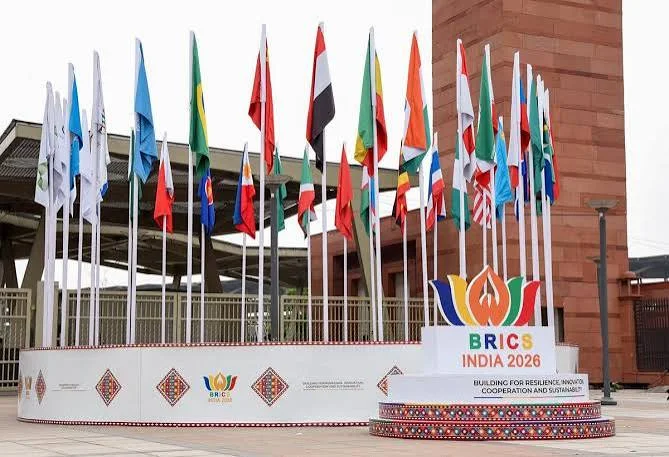

Ethiopia has called for stronger cooperation among BRICS members and deeper engagement with Africa.
Guided by the theme “Building for Resilience, Innovation, Cooperation and Security” and brings together leaders of BRICS member and partner countries, as well as invited guests the 18th BRICS Summit has been opened Friday in New Delhi, India.
Addressing the gathering Ethiopian Prime Minister Abiy Ahmed emphasized the need to build resilience, expand value creation and accelerate climate and economic transformation.
Ahmed also thanked Indian Prime Minister Narendra Modi and the Government of India for their leadership, saying the summit’s theme of resilience, innovation, cooperation and sustainability reflects the interconnected challenges facing the world.
Ahmed indicated the potential for BRICS cooperation to connect Africa’s untapped potential in critical minerals, renewable energy and advanced manufacturing.
“Africa holds many of these resources,” he said, emphasizing the opportunity to create greater value where resources are found rather than exporting raw materials without sufficient local value addition.
The Ethiopian leader calling the block for stronger consultation with the African Union (AU) to ensure engagement with the continent in alignment with Agenda 2063, also backed BRICS effort to facilitate cross-border payments and expand the use of local currencies to reduce transaction costs and promote trade.
A South African lawmaker, Tshilidzi Munyai commented that cooperation among BRICS countries is helping advance Africa’s sustainable development from trade in local currencies to infrastructure and green manufacturing.
Munyai told China Central Television (CCTV) that trading in local currency among BRICS countries as one fundamental element of the block.
The diplomatic gathering occurs against a backdrop of active international conflicts and major economic initiatives aimed at transforming global trade cooperation.
Since its inception in 2006, BRICS has grown to 11 members and 10 partner countries, spanning key regions across Africa, Asia, Latin America, the Middle East and Southeast Asia.
Related Stories


Related Stories


Discover more from Matter Zone
Subscribe to get the latest posts sent to your email.