




Ethiopia aims over 75% electricity coverage by 2030
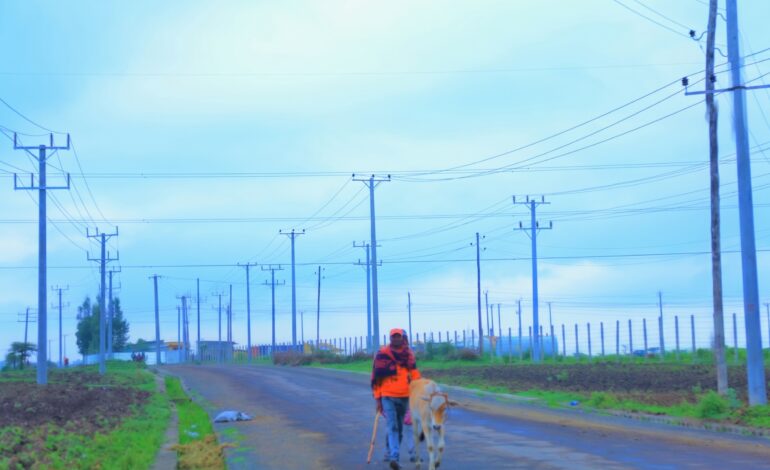

Ethiopia targets a nationwide electricity access maximization at over 75% by 2030 using renewable energy sources.
The Ethiopian Electric Utility (EEU) states that the country’s revised 2030 roadmap sets 75% – 80% electrification nationwide from the current 54% coverage.
The World Bank commissioned, Ethiopian Energy Access Survey 2025, indicated that 65% of households in the country had access to at least one source of electricity as of January 2025. Of these, 29.3% were connected to the national grid, while 35.7% relied on off-grid solar solutions.
The East African country’s vision is being augmented by the World Bank’s project, which seeks to connect 300 million people in Sub-Saharan Africa to electricity, Ethiopian Electric Utility CEO, Getu Geremew told Gazette Plus.
He said under this initiative Ethiopia has successfully connected 4.6 million people to the grid.
The national roadmap on the other hand targets approximately 70% of new connections from grid expansion and intensification.
Highlighting the significance of off-grid projects, Geremew indicated the critical role of renewable energy in meeting the country’s ambitious target, with solar energy being a primary focus.
The national grid remains the foundation of Ethiopia’s energy system. In this centralized model, electricity is generated at large-scale plants – such as the Grand Ethiopian Renaissance Dam (GERD) – and transmitted over high-voltage lines across vast distances. Substations then step down the voltage and distribute power to cities, towns, factories, and institutions.
The EEU says Off-Grid solutions offers decentralized systems with an immediate and practical solution for remote communities where extending the grid is geographically difficult or financially prohibitive.
Accounting for nearly 95% of electricity generation Ethiopia has long relied heavily on its hydropower plants. This dominance however highlighted the importance of diversification, says EEU.
By 2030, Ethiopia plans to deploy over 300 MW of solar PV capacity alongside expanded mini-hydro rehabilitation. The country’s average solar irradiance of 5.2 kWh/m² per day makes solar energy highly viable, particularly in eastern and southern regions.
The World Bank report shows that Ethiopia’s contribution is part of a broader Sub-Saharan achievement, with 50 million individuals across 40 countries gaining access since the project’s launch.
Related Stories


Related Stories


Discover more from Matter Zone
Subscribe to get the latest posts sent to your email.