




Egypt accuses Ethiopia of fluctuating Nile waters
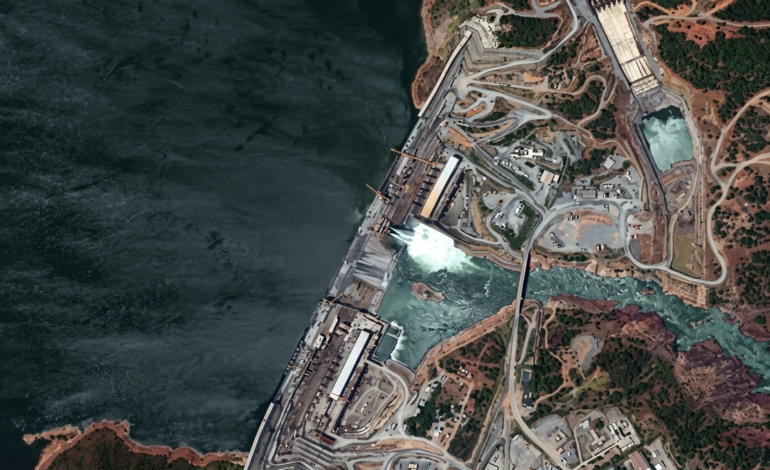

Egypt has accused Ethiopia of causing fluctuations in Nile water releases forcing for continuous updates to its water infrastructures due to its unilateral operation of the Grand Ethiopian Renaissance Dam (GERD).
The Permanent Committee for Nile River Flow Regulation said they are required to continuously update the operating plans of Egypt’s dams and water infrastructure due to the upstream unilateral measure.
The session chaired by Minister of Water Resources and Irrigation, Hani Sewilam met to review water availability during the country’s peak demand season.
The ministry said in a statement that the committee reviewed developments related to the operation of the GERD.
Cairo describes Ethiopia’s mega dam as “illegal and contrary to international law”, maintaining its position that it has no binding agreement governing the dam’s operation and data-sharing has created variability in Nile River flows.
Setting a legally binding agreement on operationalization of the dam was one of the critical issue the two countries fail to achieve, because it views such pacts as attempts to lock in colonial-era water allocations.
Addis Ababa insists that a binding deal would infringe upon its sovereign right to utilize the Nile’s resources equitably and prefers signing non-binding, and flexible guidelines.
The Egyptian authorities insist the lack of clear operating rules and regular data exchange with Ethiopia requires operators of downstream dams and water facilities to continuously adjust operational plans to respond to changing hydrological conditions.
The committee is reported to have reviewed rainfall over the Nile headwaters and inflows from the Blue Nile, White Nile and Atbara River.
The ministry said Nile inflows during June were above average, while flows recorded so far in July have been below normal.
The committee said it remains too early to assess the overall flood season, noting that a clearer picture is expected after the first 10 days of August, when much of the Blue Nile’s seasonal floodwaters are projected to reach Egypt.
It added that the accuracy of flood forecasts improves as the rainy season progresses and additional hydrological and climate data become available.
Upon reviewing the latest regional and international climate outlooks on the El Niño and La Niña weather patterns and their potential impact on rainfall across East Africa, the committee noted the criticality of combining it with real-time hydrological observations from across the Nile Basin.
Sewilam directed officials to continue daily monitoring of rainfall and river inflows, regularly update hydrological and climate forecasts, and maintain close coordination among relevant agencies to ensure the stability and efficiency of Egypt’s water management system.
Related Stories


Related Stories


Discover more from Matter Zone
Subscribe to get the latest posts sent to your email.