





The United Nations (UN) Security Council has extended the Sudan sanctions regime for one month, maintaining an arms embargo on Darfur.
The US-drafted resolution has been unanimously adopted on Friday by all 15 council members extending the Sudan sanctions regime, including an arms embargo, for one month until October 9.
The short-term technical rollover maintains the existing measures while allowing more time for negotiations on potential changes to the sanctions regime.
As US pushed for more tougher measures its Ambassador Jeff Bartos welcomed the adoption stressing for a long-term technical rollover was “not an option”.
The US wants to extend the arms embargo beyond Darfur to cover all of Sudan and expand the criteria for targeted sanctions to include conflict-related sexual violence, kidnapping for ransom and attacks on humanitarian personnel, Bartos said. Washington also wants to strengthen the mandate of the UN Panel of Experts.
“The current sanctions regime is over 20 years outdated, and is insufficient to address the realities of the war today,” Bartos said.
Sudan’s U.N. ambassador, Al-Harith Idriss Al-Harith Mohamed, opposed expanding the arms embargo, saying it would undermine Sudan’s ability to re-establish control and defend itself. He also warned that it would create an “unfair equivalence” between the Sudanese Armed Forces and armed groups.
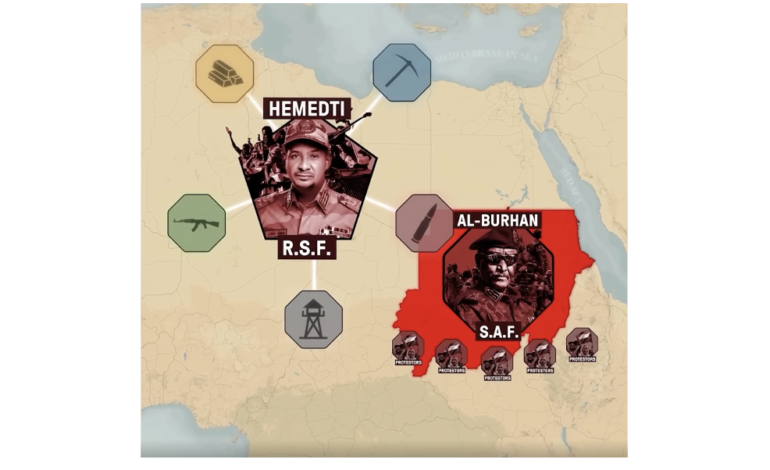
A latest UN report has found that foreign recruitment and external support networks are fueling the brutal conflict in Sudan.
An independent UN human rights investigators on Thursday called on the report for accountability as fighting continues between the Sudanese Armed Forces (SAF) and the paramilitary Rapid Support Forces (RSF).Released by the UN Independent International Fact-Finding Mission for the Sudan, the report indicated the action by foreign forces is strengthening the military capabilities of the warring parties and enabling increasingly sophisticated military operations with devastating consequences for civilians.
The sanctions regime, established in 2005, includes an arms embargo on actors operating in Darfur, as well as targeted travel bans and asset freezes.
The council, acting under Chapter VII of the UN Charter, said the situation in Sudan continues to constitute a threat to international peace and security in the region. It also extended the mandate of the Panel of Experts until November 9.
Sudan has been at war since April 2023, when fighting erupted between the army and the paramilitary Rapid Support Forces. The conflict has killed tens of thousands of people and displaced millions.
Negotiations over the sanctions have taken place amid worsening fighting in Darfur, Kordofan and Blue Nile, with concerns also growing over the use of drones, external military support and cross-border flows of weapons and fighters, according to the Security Council Report.
Washington circulated an initial draft in August that proposed expanding the sanctions, but disagreements among council members led it to seek the one-month extension while negotiations continue.
However, Security Council Report indicated that China, Russia and several African council members have opposed extending the sanctions beyond Darfur.
Sudan has been engulfed in fighting between the army and the RSF since April 2023, leaving tens of thousands dead and displacing millions.
The conflict between the army and the RSF has been raging since mid-April 2023 leaving Sudan without a single unified government.
Related Stories


Related Stories


Discover more from Matter Zone
Subscribe to get the latest posts sent to your email.