




Southern Africa faces extreme heat rapidly increasing major climate, health risks
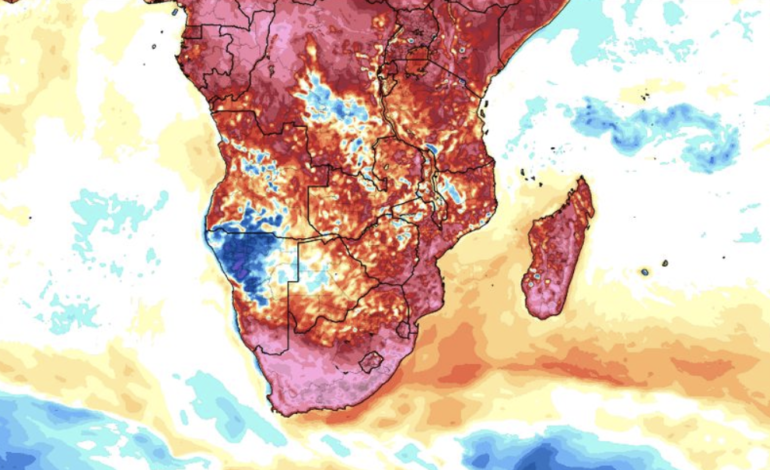

A new study found that countries across the Southern African Development Community (SADC), are facing rapidly increasing extreme heat, which becomes the most urgent climate and health risks across the region.
The study released by the Academy of Science of South Africa titled – Climate Change and Extreme Heat: Strengthening Resilience and Adaptive Capacity in the Southern African Development Community.
The study undertaken by researchers from Botswana, Eswatini, Lesotho, Malawi, Mauritius and Zimbabwe as well as South Africa, urges proactive steps including bolster early warning systems, embed heat-health action plans into national climate strategies, protect workers from occupational heat exposure, enhance urban design and cooling infrastructure, and expand public-health preparedness.
According to the leading expert panel chairperson Jerome Amir, extreme heat is no longer a distant projection; it is already reshaping the lived realities of millions of people across Southern Africa.
“This report highlights the urgency of strengthening heat-health preparedness and provides clear, evidence-based pathways for governments and communities to respond,” Singh said.
The study has shown that global warming has sharply accelerated over the past decade-and-a-half. Of the world’s 20 hottest recorded years, 19 have been since 2000. Temperatures that break monthly records are now happening five times more often.
Extreme heat is level as “integrator hazard” – a hazard across many sectors and activities, creating or exacerbating multiple vulnerabilities. It deepens droughts, increases the risk of wildfires and air pollution, while putting more pressure on energy, health and water systems.
Across southern Africa region, the nature of the labour markets increases people’s exposure to heat and so to risk.
The largest employer in many SADC countries remains agriculture, with other major employers being construction, mining, and transport, plus the informal sector. In some SADC countries, as many as 80% to 90% of workers are in the informal sector. In all these cases, the workers undertake outdoor and/or manual labour.
Related Stories


Related Stories


Discover more from Matter Zone
Subscribe to get the latest posts sent to your email.