




South Africa aims massive investment surge upto $607bln

The South African government has proposed a sweeping overhaul of capital flow regulations, aiming to attract trillions of rand in fresh investment, which Johannesburg Stock Exchange (JSE) estimates could help draw about $607 billion,
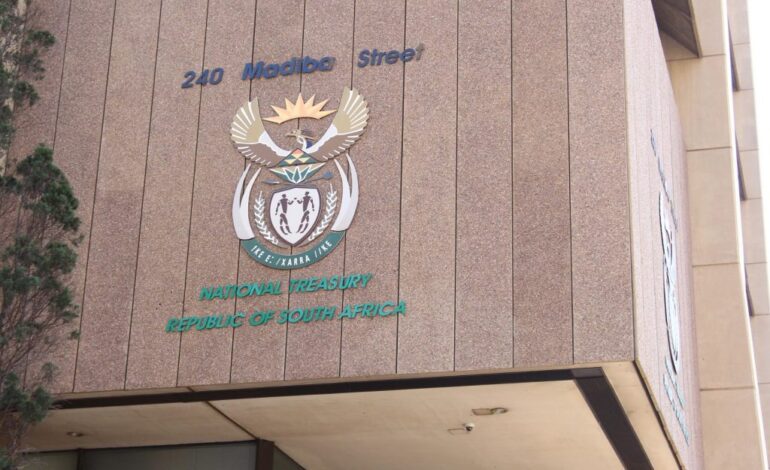
This comes as South Africa’s National Treasury published draft Capital Flow Management Regulations this month for public comment, reports Business Insider Africa.
The proposals would replace exchange control laws dating back to 1961, with some provisions rooted in the 1930s, marking one of the most significant financial policy shifts since the end of apartheid-era controls.
The old rules were set in different era when governments tightly controlled currency movements and protected domestic reserves.
The reform would over time boost the economy that has struggled with weak growth, electricity shortages and logistics bottlenecks in recent years, while strengthening Johannesburg’s role as Africa’s top financial centre and make it easier for global investors to deploy money into the continent’s most advanced economy.
A major change would allow asset managers to run foreign-currency funds from South Africa for the first time.
Currently, many funds that raise or report in dollars or euros must be domiciled offshore, even if the investment decisions are made in Johannesburg.
That has helped rival financial hubs such as Mauritius, Dubai, Nairobi and Kigali attract South African firms, skills and tax revenue.
Vukile Davidson, deputy director-general for financial policy at National Treasury, said the old framework had served multiple purposes beyond capital management.
“At the time, exchange control was principally used to deal with a wide range of issues beyond just capital flows management,” he told Reuters.
He said the country now wanted a more modern system with a “positive bias” toward cross-border capital flows.
For investors, that signals a friendlier approach from a country whose markets already dominate much of sub-Saharan Africa. South Africa has the continent’s largest stock exchange, one of its deepest bond markets and sophisticated banking and legal systems.
The reforms would also formally bring crypto assets into the capital controls system for the first time. Large crypto transactions would likely need to pass through approved intermediaries, while significant holdings and transfers may face disclosure rules.
That matters because South Africa has become one of Africa’s leading crypto markets, with digital assets increasingly used for trading, remittances and moving money across borders.
The timing is also important. Global investors are increasingly searching for yield outside developed markets, while geopolitical tensions and shifting supply chains are reshaping capital flows.
If South Africa can combine easier financial rules with ongoing reforms in power, ports and rail, Johannesburg could strengthen its position as the main gateway for international investors seeking exposure to Africa.
But success will depend on execution. Investors have often praised South Africa’s market depth while warning that policy delays and infrastructure failures have held back its full potential.
Related Stories


Related Stories


Discover more from Matter Zone
Subscribe to get the latest posts sent to your email.