




UN allocates $2mln for Ebola emergency response in Rwanda
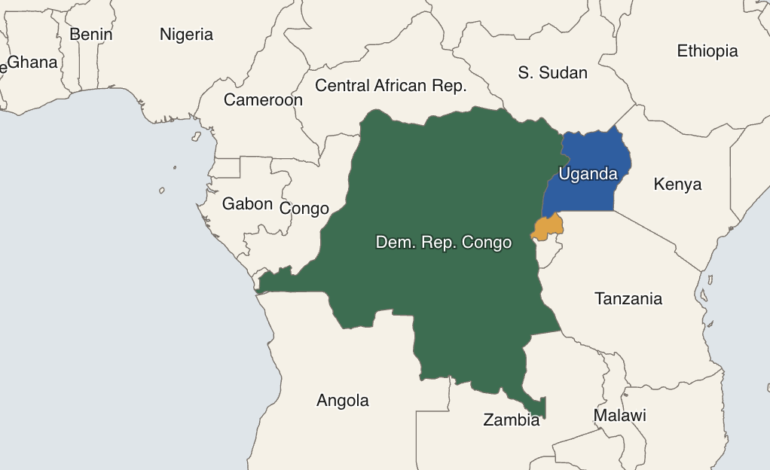

The United Nations (UN) has allocated $2 million from its Central Emergency Response Fund (CERF) to manage regional Ebola virus outbreak preparedness in Rwanda.
In addition to Rwanda, the allocation comes part of larger packages up to $60 million from its Fund to boost country-level preparedness for Uganda, and the Democratic Republic of the Congo (DRC).
The latest funding was announced by Deputy spokesperson for the secretary-general, Farhan Haq, at a news conference on Monday at UN headquarters in New York, saying that the UN and its humanitarian partners had continued to support government-led efforts to strengthen Ebola preparedness in the central African country’s high-risk districts.
The UN Office for the Coordination of Humanitarian Affairs (OCHA) had been training health workers to strengthen preparedness in the high-risk areas, he noted.
According to the spokesperson, the UN partners have trained health workers on infection prevention and control, case detection and reporting along with pre-positioned personal protective equipmen, testing supplies, diagnostic tools, water, sanitation and hygiene supplies in high-risk areas.
“Surveillance efforts also continue, including the screening of travellers at key points of entry into the country and the expansion of environmental and wastewater surveillance,” Haq said, while risk communication and community engagement activities continue through radio campaigns, as well as the distribution of information materials.
OCHA had reported rising numbers of Ebola cases and deaths in the DRC, putting ever more pressure on health services and our efforts to respond. As of July 25, he said the national health authorities had reported 3,200 confirmed Ebola cases across Ituri, North Kivu, South Kivu, Haut-Uele and Tshopo provinces.
“More than 100 new confirmed cases have been reported for the second consecutive day,” stated Haq noting that the UN and its partners continue to support the authorities on surveillance, contact tracing, laboratory testing and patient care.
He further highlighted the support provided by UN agencies including food aid and case detection activities.
The World Food Programme has provided more than 140,000 hot meals and food to over 23,000 patients, contacts and vulnerable people impacted by the outbreak in Ituri, North Kivu and South Kivu provinces.
The UN Children’s Fund and its partners have also carried out more than 27,000 household visits to support the identification and follow-up of suspected cases in affected communities.
As part of the ongoing preparedness efforts beyond the provinces impacted by Ebola, Haq unveiled the launching of World Health Organisation (WHO) led training for hygiene specialists at the General Reference Hospital in the province of Bas-Uele to reduce the risk of further spread.
The spokesperson reaffirmed the continued commitment between the UN and its partners to supporting the authorities’ response. He also urged for continued international support to expanding treatment capacity, sustaining response operations and containing the outbreak.so urged for continued international support to expanding treatment capacity, sustaining response operations and containing the outbreak.
Related Stories


Related Stories


Discover more from Matter Zone
Subscribe to get the latest posts sent to your email.