




AfDB approves $110mln for Ethiopia’s mega wind farm project owned by Dubai company
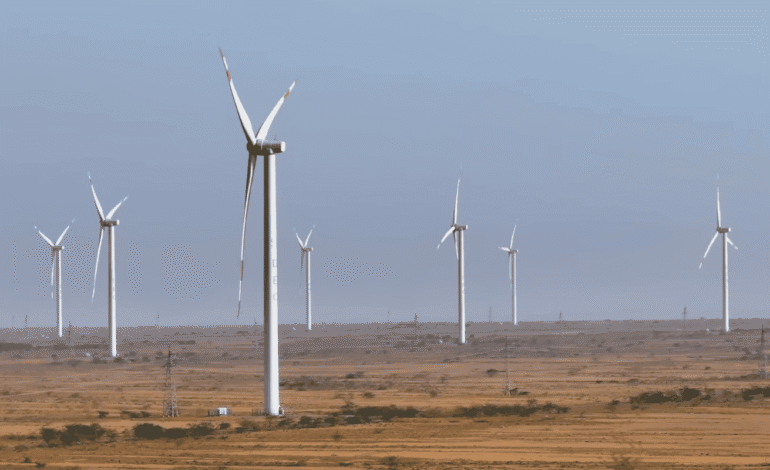

The African Development Bank (AfDB) Group has approved $110 million to finance the largest wind power plant project in Ethiopia.
Developed, owned and operated by Dubai based company called, AMEA Power, the 300-megawatt Aysha Wind Project in Somali region, will be the first wind-based Independent Power Producer in Ethiopia.
Under a 25-year Power Purchase Agreement (PPA), the Ethiopian Electric Power will purchase the electricity generated by the project and take ownership of the completed transmission line, it was learned.
With an estimated project cost of $508 million, the initial financing package approved on 15 July 2026, includes up to $80 million from the AfDB, $20 million from the Clean Technology Fund and $10 million from the Sustainable Energy Fund for Africa.
AfDB will complement the mobilization efforts for an additional $381.1 million from other development finance institutions in the form of debt financing.
The project which includes a five-kilometre transmission line and upgrades to the existing Aysha II substation, is planned to generate nearly 1,189 gigawatt-hours of clean electricity per annum.
By diversifying Ethiopia’s energy mix from predominantly hydroelectricity, this additional capacity created by the new project is expected to support the country’s efforts to expand access to reliable and affordable electricity.
The financing structure combines long-term debt, concessional funding and risk-mitigation tools with a potential to serve as a model for future public-private-sector renewable energy projects in the east African country.
while creating about 1,525 direct jobs during construction and 30 permanent operational positions. An estimated 35,645 indirect jobs could be generated through supply chains and wider economic growth supported by the additional electricity capacity.
Ethiopia has a National Electrification Program that aims to achieve universal electricity access by 2030 through expansion of central grid at about 65% and off-grid solar or mini-grids at about 35% to rural areas.
The project also aligns with the Mission 300 initiative, which aims to provide electricity access to 300 million people across Africa by 2030.
The Aysha Wind Project supports this strategy, while contributing to the country’s climate commitments, net-zero ambitions by preventing approximately 1.39 million tons of carbon dioxide emissions over the 25-year agreement period.
By Hasina Omondi
Related Stories


Related Stories


Discover more from Matter Zone
Subscribe to get the latest posts sent to your email.