




UN urges not to give up on SDGs
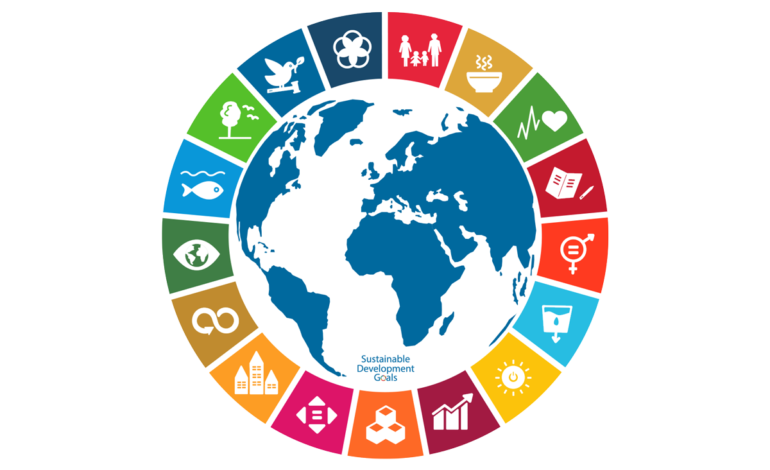

The United Nations has urged the international community to not give up on the Sustainable Development Goals (SDGs) despite hurdles.
President of the Economic Social Council (ECOSOC), Lok Bahadur Thapa, reminded the international community on Monday that no country can achieve sustainable development on its own, and that political will and momentum is necessary to achieve the SDGs by 2030.
“Let us be judged by results,” Thapa said marking the beginning of the top ministerial level meeting of the High-Level Political Forum on Sustainable Development (HLPF), the UN’s annual forum to assess progress on the Sustainable Development Goals (SDGs) which is convened by ECOSOC.
As the the HLPF kicked off a week earlier in New York, the UN simultaneously released its annual SDG Progress Report, finding that coordinated action on the goals has succeeded but governments must urgently accelerate action if they are to be met by their 2030 deadline.
The High-Level Segment that conclude on Thursday with a negotiated declaration between government ministers and heads of State on concrete actions Member States will take to advance progress on the 17 Goals.
The latest draft of the 2026 ministerial declaration includes commitments to increase investment in the SDGs and develop international rules for transformative technologies such as artificial intelligence.
By the end of the HLPF, 36 countries will have presented so-called Voluntary National Reviews (VNRs) on their progress in achieving the SDGs and shared best practices with other Member States.
The UN leadership emphasized that the UN and its member states know what works to create sustainable development, but that financing remains the biggest obstacle to quick and effective action.
Citing the finding of the SDG Progress Report, UN Secretary-General Antonio Guterres said that only 36% of SDG indicators with trend data are on track or making moderate progress, reflects a lack of effective financing rather than a lack of goodwill.
He noted that developing countries pay borrowing costs several times higher than rich countries, and that many spend more on debt service than national services, making them ill-equipped to implement the SDGs without assistance.
“We need to increase the voice and participation of developing countries, reforming the global financial architecture to ensure those countries receive the support they need,” Guterres said.
To increase SDG financing, the UN Chief stressed the need for reforms to the multilateral development banks to unlock private investment and ensure equitable access for developing countries.
“A revitalized UN must integrate meaningful youth engagement,” Jaewon Choi, leader of the DMUN Foundation, a youth-led, non-governmental organisation told ministers.
He urged member states to prioritise SDG financing, debt relief, civil society partnerships and concrete collective action as they negotiate.
Guterres further highlighted the Pact for the Future, Sevilla Commitment, Doha Political Declaration, High Seas Treaty and Antigua and Barbuda Agenda for Small Island Development as evidence that multilateralism can still deliver.
“Development requires all hands on deck – businesses, development banks, innovators, civil society, community leaders and young people,” he noted.
President of the 80th UN General Assembly, Annalena Baerbock said “we are not on track”.
setting the stage for the UN’s call to member states at the HLPF, she stressed that despite immense challenges, giving up on achieving the SDGs by 2030 is not an option.
As a noted football fan, Baerbock ended her speech with a timely comparison between the SDGs and this year’s gripping football World Cup competition, saying that “it has told us very clearly one thing: to never give up at minute 80.”
“One goal at the right moment can change everything. And 17 goals at the same moment can change the world. It is up to us to play the last four years together,” she urged.
Related Stories


Related Stories


Discover more from Matter Zone
Subscribe to get the latest posts sent to your email.