




Sub-Saharan Africa is highest aid dependent globally: IMF
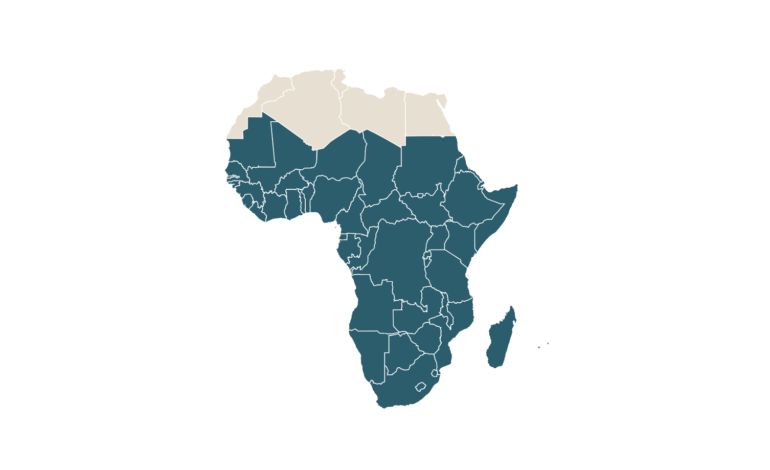

The International Monetary Fund (IMF) has said Sub-Saharan Africa is the most aid-dependent region globally.
According to IMF economists, aid is falling fast where on average, aid accounted for about 3% of GDP in 2024 – well above other regions, making the current drop in aid especially consequential.
The analysis published by Chie Aoyagi, Maurizio Leonardi, and Athene Laws, who are economists in the IMF’s African Department, and Hamza Mighri is a research analyst, states that cuts are deep, broad, and driven by donors, which left policymakers with few easy options.
Despite decades of official development assistance being a central pillar of financing in sub-Saharan Africa, they found it is now weakening – quickly and broadly.
“In 2025, bilateral aid to the region fell sharply, with early estimates pointing to cuts of about 26% in a single year,” they wrote.
The economists indicated that multilateral support is also under pressure, with major institutions projecting sizeable budget reductions.
They indicated that more cuts may follow as donors reset priorities in a shifting geopolitical environment.
In reference the IMF’s latest Regional Economic Outlook for Sub-Saharan Africa, the economists noted that this is not a routine fluctuation. “It is hitting countries that have limited room to adjust and few alternative sources of financing.”
Even beyond the 3% of regional GDP the authors say in low-income countries and fragile Sub-African states, aid often reached the equivalent of 6% of GDP or more, and in some cases far higher.
As to their finding over half of that aid was used to finance essential services such as health, education, and humanitarian assistance.
Aid cuts can curtail the very systems that people rely on, due to development partners and non-governmental organizations (NGOs) often deliver services directly to people in need.
Effective responses to crises such as the Ebola emergency in the Democratic Republic of the Congo (DRC) and Uganda, the high and rising needs of people forcibly displaced by conflict, and the ongoing drought in the Horn of Africa rely heavily on the health and humanitarian infrastructure that aid has consistently helped to build, they noted.
The recent large and broadly simultaneous aid cuts that came across countries are driven by donor decisions rather than changes in recipient economies.
Governments are now face difficult choices amid limited fiscal space, rising debt, and low reserves.
Based on surveys that covered 28 African countries IMF suggestes four broad policy responses – some governments are not replacing lost aid, allowing programs to lapse. This limits immediate fiscal strain but carries high social costs, while many are reprioritizing spending, often cutting public investment—easier politically, but damaging to future growth.
On the other hand, others are also borrowing more, including domestically, increasing debt risks, while some are stepping up revenue mobilization, though results take time.
The economists who see each option to come with trade-offs, stated that replacing lost aid can protect services and growth, but at the cost of wider deficits and external imbalances. Not replacing it stabilizes budgets and protects debt sustainability, but risks lasting damage to human capital and development.
Related Stories


Related Stories


Discover more from Matter Zone
Subscribe to get the latest posts sent to your email.