




DR Congo launches Ubangi River project to address socio-economic, environmental challenges
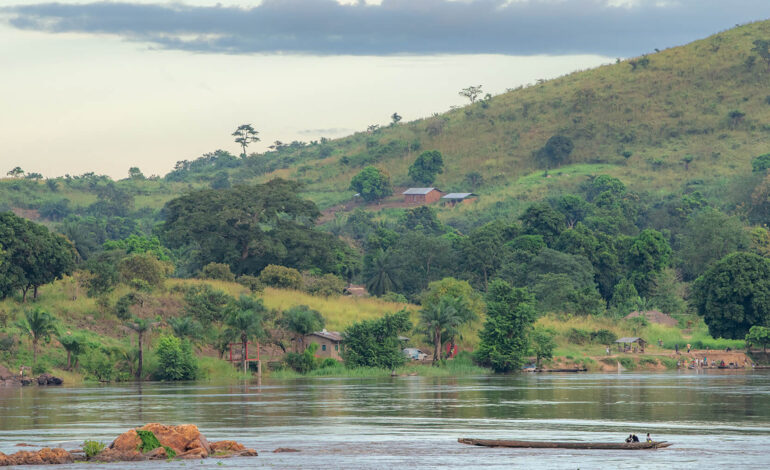

The Democratic Republic of the Congo (DRC) supported by the African Development Bank (AfDB) Group has launched the Ubangi River project that aims to address major socio-economic and environmental challenges.
The initiative comes under AfDB’s regional support program for the development of cross-border water infrastructure and resources, whose Central African component began in 2025.
The Ubangi River basin is found in the border between DRC and the Central African Republic (CAR), which entered into a decisive step for the stability and shared prosperity of the sub-region
The national component of the program in the DRC targets to strengthen regional coherence and integration while providing concrete answers to pressing domestic challenges. It uses an integrated approach structured around the Water-Food Security-Climate nexus, aimed at transforming natural resources into levers for inclusive growth.
The program in DRC officially launched in February 2026 is mobilising a total budget of $46.5 million in order to achieve this ambition in the provinces of Nord-Ubangui, Sud-Ubangui and Mongala, AfDB said.
The financing is supported by the African Development Fund, the concessional window of the Bank Group, the OPEC Fund and the DRC government counterparty. Targeted action will be deployed to meet the major environmental and socio-economic challenges of these regions.
By aligning itself with the progress made in CAR since last year, DRC expressed its commitment to make the Ubangi River basin a key part of the development of Central Africa.
The project will focus on concrete actions to break the cycle of fragility, with particular emphasis on the creation of climate-resilient water infrastructure, which is essential for securing the DRC’s National Agricultural Transformation Programme. At the same time, modernisation of the information system along the Ubangi River and improvement of river navigation will aim to streamline trade with the DRC’s western neighbours, the Central African Republic and the Republic of the Congo, thus consolidating the DRC’s role as a crossroads for regional integration.
Human impact of the intervention has special importance for the Bank. The majority of the expected 2.4 million direct beneficiaries are women and young people, who are key drivers of the local economy. As well as access to safe drinking water, the programme is targeting the creation of 3400 jobs and specific support for entrepreneurship.
Assisted by the Office of the United Nations High Commissioner for Refugees, the PREDIRE programme is focused on resilience of particularly vulnerable populations. It will directly benefit 25,000 people living in vulnerable areas, as well as strengthening the capacities of more than 1300 institutional and community actors. The effect will be to consolidate the sustainable governance of shared water resources, ensuring that infrastructure development is accompanied by greater social cohesion.
The DRC is acquiring tools for modern governance of water resources under the supervision of the Congolese Ministry of Rural Development, using technical coordination provided by the Project for the Reinforcement of Socio-Economic Infrastructure in the Central Region – Phase II (PRISE II).
“The Support Programme for the Development of Cross-Border Water Infrastructure and Resources is more than a technical programme,” said Deo Nsunzu, project coordinato adding that it is a historic opportunity to stimulate the rural economy.
“It will help to profoundly transform rural territories and strengthen their resilience in the face of climate and economic challenges, through structuring investments and the use of an integrated approach,” he stressed.
Related Stories


Related Stories


Discover more from Matter Zone
Subscribe to get the latest posts sent to your email.