




UN may halt emergency food assistance in Somalia by April amid sever hunger
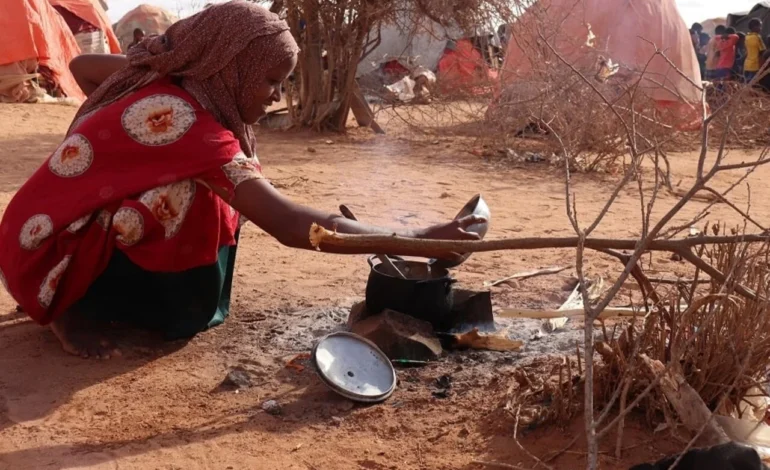

The United Nations World Food Programme (WFP) has said without immediate funding it will be forced to halt humanitarian assistance by April in Somalia.
The WFP announced the alarm, in a report Friday, that its life‑saving emergency food and nutrition assistance in the Horn of Africa country is at imminent risk of grinding to a halt without new immediate funding commitments.
“The organization’s resources are expected to be depleted within weeks without urgent replenishment,” the report stressed.
WFP says it urgently requires $95 million to continue supporting the most food insecure people in Somalia between March and August 2026.
Without this immediate funding, the agency said, it will be forced to halt humanitarian assistance by April.
A national drought emergency have been declared in Somalia, triggered by severe water shortages, crop and livestock losses, and large‑scale displacement.
The UN says these conditions were reminiscent of the 2022 crisis when famine was narrowly averted with large-scale international support.
Somalia is facing one of the most complex hunger crises in recent years, driven by two consecutive failed rainy seasons, conflict, and a sharp drop in humanitarian funding.
According to the report, a quarter of the population – 4.4 million people – face crisis-levels of food insecurity or worse (IPC3+), including nearly one million women, men, and children experiencing severe hunger.
“The situation is deteriorating at an alarming rate. Families have lost everything, and many are already being pushed to the brink. Without immediate emergency food support, conditions will worsen quickly,” said Ross Smith, WFP Director of Emergency Preparedness and Response.
“We are at the cusp of a decisive moment; without urgent action, we may be unable to reach the most vulnerable in time, most of them women and children.”
WFP is the largest humanitarian agency in Somalia, working alongside partners to support the majority of the country’s food security response.
In 2022, the longest drought in recorded history brought Somalia to the brink of famine.
In response, with critical support from donors, partners and the government, WFP launched a robust scale up of life-saving assistance.
“Working together, we reached record numbers of the most vulnerable, helping keep famine at bay,” it said adding that “WFP has the teams on the ground and capacity to push back extreme hunger again.”
But today WFP faces a severe funding shortfall that has forced it to reduce the number of people receiving emergency food assistance from 2.2 million in early 2025 to just over 600,000.
This means WFP is currently supporting only one in every seven people in need of food assistance to survive. Nutrition programmes have also been slashed from assisting nearly 400,000 pregnant and breastfeeding women and young children in October 2025 to just 90,000 in December.
“In 2022, WFP showed that when we have the resources, we can scale up quickly and reach people at the very moment they need us most. Today, we’re facing that critical moment again,” said Smith.
“If our already reduced assistance ends, the humanitarian, security, and economic consequences will be devastating, with the effects felt far beyond Somalia’s borders. WFP and partners are ready to deliver, but we need urgent support to avoid a preventable catastrophe.”
Related Stories


Related Stories


Discover more from Matter Zone
Subscribe to get the latest posts sent to your email.